8 Different Ways to Provide a Towing Service
The world of vehicle recovery requires a high level of specialized technical knowledge. Different automotive mishaps require highly specific machinery to protect your valuable property during transit. Finding a team with a diverse operational fleet ensures that help arrives with the correct equipment every single time.
Understanding how a professional fleet manages vehicular recovery helps drivers make informed decisions during roadside emergencies. An adaptable towing service must pivot instantly between handling compact commuter sedans and managing massive industrial hardware. Modern automotive transporters utilize several distinct methodologies to execute these high-stakes operations safely.
1. Utilizing Flatbed Trucks
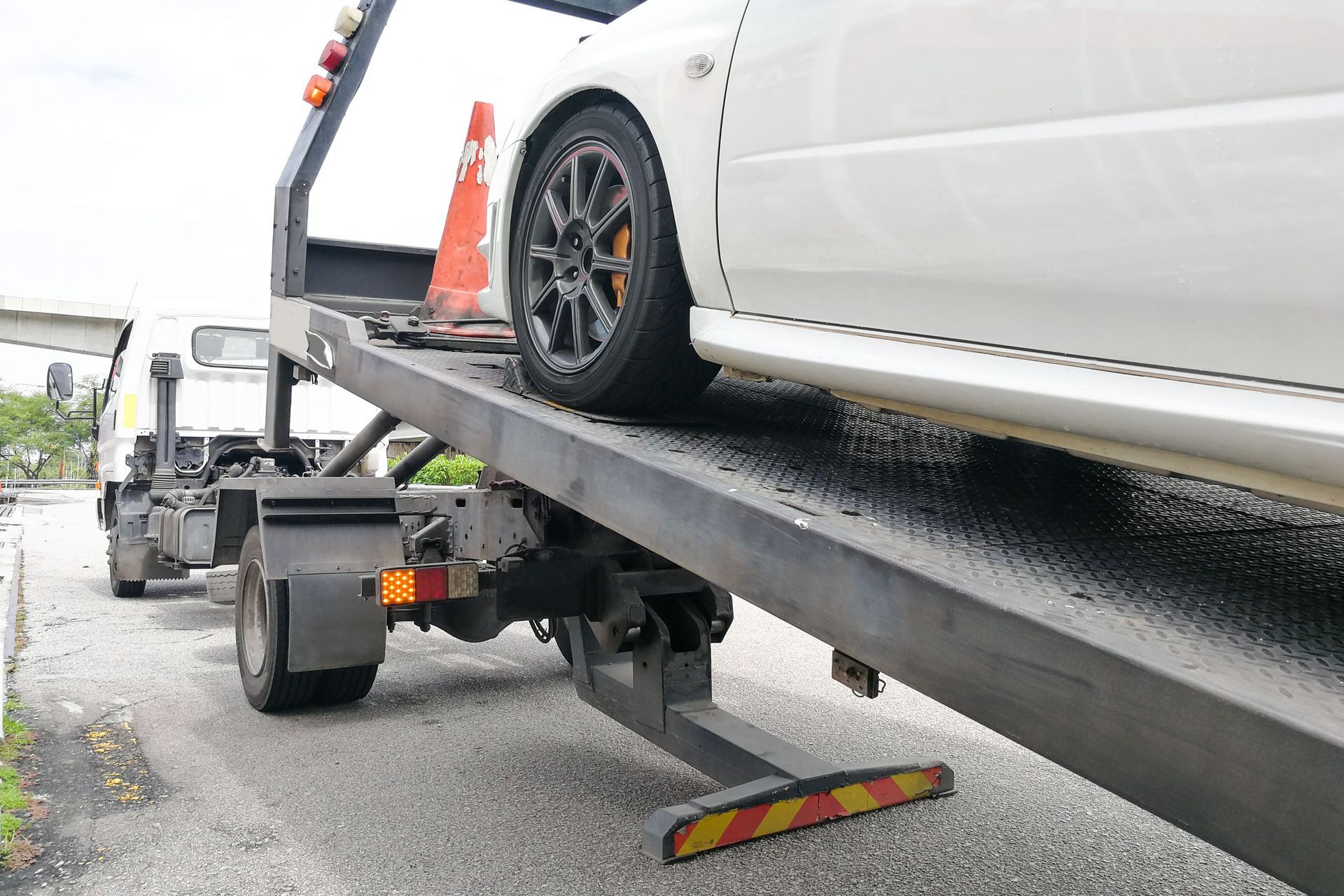
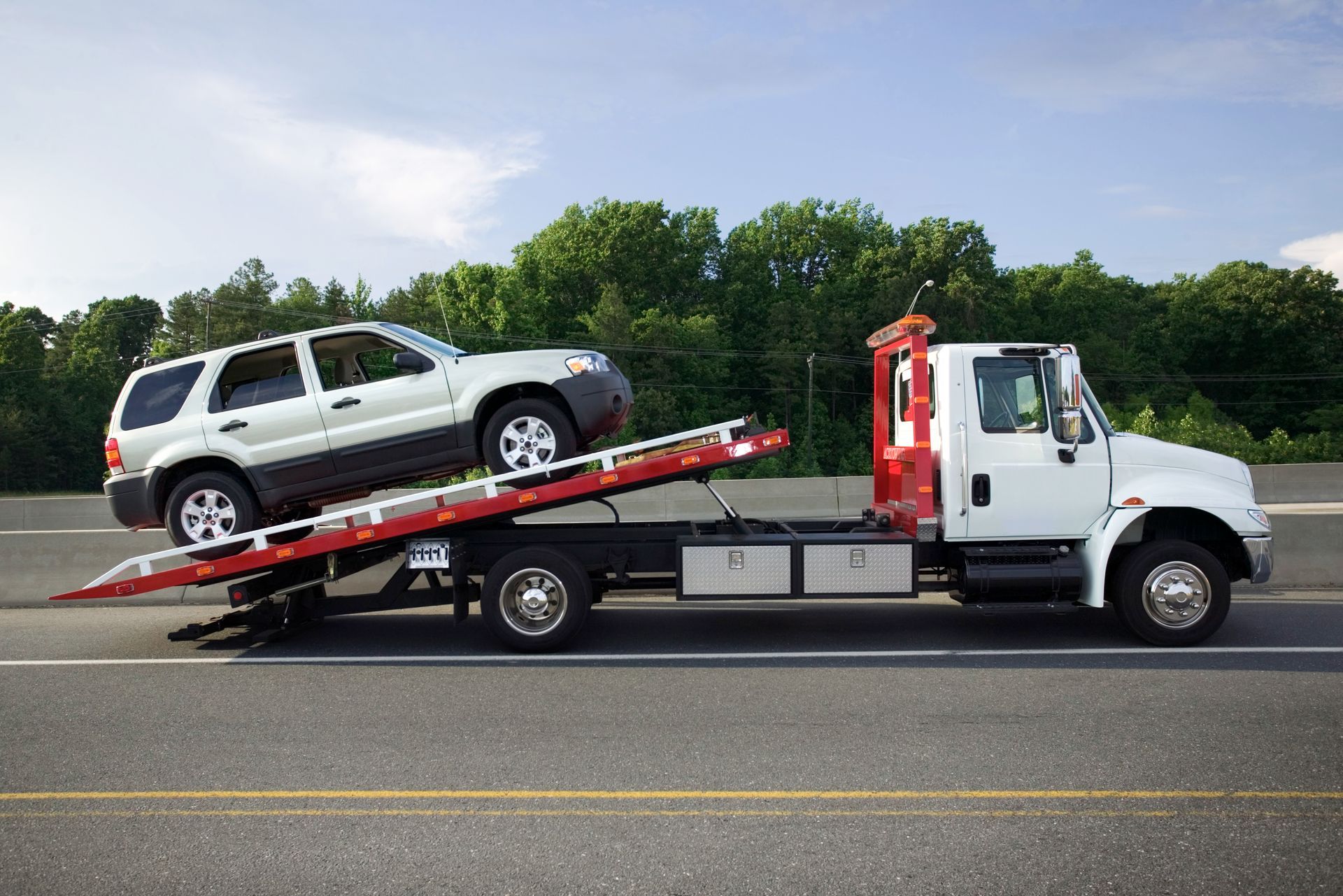
Deploying flatbed transportation vehicles represents one of the most reliable methods for moving standard passenger automobiles today. Field technicians lower the entire rear platform hydraulically until it creates a seamless ramp on the asphalt. The disabled automobile is then pulled carefully onto the flat platform with a heavy winch.
This configuration keeps all four wheels of the cargo vehicle completely off the highway surface during transit. It eliminates the risk of costly transmission damage, making it perfect for luxury cars and all-wheel-drive systems. High-end vehicle owners consistently request this secure arrangement to guarantee absolute structural safety.
- Eliminates mechanical wear on the vehicle drivetrain.
- Prevents front bumper scraping on uneven roadways.
- Accommodates severely damaged or wrecked vehicles easily.
Choosing a flatbed ensures your vehicle remains completely stationary throughout the entire journey to the repair facility. It isolates the delicate cargo from bumpy road conditions, potholes, and unpredictable traffic hazards. This reliable strategy remains a fundamental pillar of professional fleet operations worldwide.
2. Employing Hook and Chain Methods
Utilizing traditional chains involves a rugged, heavy-duty approach to moving disabled vehicles from hazardous roadway positions. Operators attach heavy steel chains around the structural axle or frame of the stranded car. A mechanical rear hoist then lifts one end of the automobile completely off the ground.
This traditional technique leaves the remaining pair of tires rolling directly on the rough highway surface during transport. While highly effective for moving severely wrecked cars headed directly to salvage yards, it requires extreme caution. The metal chains can easily scratch decorative bumpers or misalign delicate fiberglass body components.
Many modern transport providers reserve this basic option for highly specific, rugged recovery tasks rather than standard transport. It excels at pulling heavy vehicles out of deep mud, thick snow, or steep roadside ditches. However, everyday customer requests usually favor gentler, more advanced equipment configurations to protect vehicle finishes.
3. Implementing Wheel Lift Technology
Evolving from traditional methods, modern wheel lift mechanisms provide a much safer alternative for rapid urban transport. This innovative system utilizes a specialized metal yoke that cradles the drive tires of the automobile securely. High-powered hydraulics then elevate that specific end of the vehicle smoothly above the road surface.
The disabled automobile is towed while rolling safely on its remaining pair of operational tires. This technique works exceptionally well for clearing crowded metropolitan streets where time is of the essence. It allows rapid hookups, enabling operators to extract vehicles parked in extremely tight parallel spaces.
Using this sleek method allows a nimble towing service to navigate cramped multi-level parking structures successfully. It minimizes hookup time while maintaining an incredibly secure, rigid grip on the vehicle frame. This extreme agility makes wheel lifts invaluable for modern municipal traffic management programs.
4. Deploying Integrated Tow Trucks
Combining multiple mechanical capabilities into a single powerful vehicle creates an incredibly versatile asset for recovery operations. Integrated rigs feature advanced boom systems and heavy wheel lifts built directly into one seamless, heavy-duty body. These units are designed specifically for demanding commercial recovery operations.
These specialized vehicles handle massive tour buses, loaded motorhomes, and commercial delivery trucks with relative ease. The extra structural reinforcement provides unmatched stability during complex highway recoveries involving heavy payloads. Fleet operators utilize these impressive machines to clear major traffic accidents and reopen lanes quickly.
According to Miller Industries, the Century M100 stands as the single most massive recovery vehicle found globally. This specialized powerhouse handles the most extreme industrial recovery tasks that standard fleet units cannot dream of attempting. Having access to such advanced heavy machinery ensures that massive commercial transport blockages are resolved promptly.
5. Managing Heavy Duty Recovery
Handling oversized commercial vehicles requires immense mechanical equipment and a deep understanding of weight distribution physics. Standard transport trucks cannot safely manage heavy cement mixers, large dump trucks, or industrial construction equipment. Specialized fleet operators utilize heavy-duty rotators and massive winches for these challenging assignments.
These complex recovery operations often require detailed rigging plans to prevent further property damage during the uprighting process. Teams work methodically to balance thousands of pounds of tension across multiple high-strength steel cables. This meticulous approach ensures maximum safety during high-stakes highway clearance operations under difficult conditions.
Securing an experienced towing service for large machinery protects valuable commercial assets from unnecessary auxiliary damage. Expert operators understand the precise techniques required to upright overturned tractor-trailers without twisting the loaded cargo trailers. Their precise execution minimizes costly delays on critical shipping corridors every single day.
6. Executing Low Clearance Transport
Navigating enclosed municipal parking garages presents a unique set of challenges for standard roadside recovery fleets. Tall commercial trucks cannot safely enter subterranean parking decks without striking low overhead concrete beams. Specialized low-profile recovery vehicles are required to resolve these incredibly tricky situations safely.
These unique trucks feature custom dropped suspensions and modified lifting mechanisms to reduce their operating height. They slide easily underneath low concrete ceilings to rescue stranded vehicles from dark parking basements. Operators maneuver carefully through tight subterranean corners to extract broken-down vehicles without causing property damage.
Relying on a versatile towing service ensures that professional help arrives quickly, regardless of your exact location. Whether a vehicle stalls on a wide highway shoulder or deep inside an underground garage, the right tools exist. True industry professionals always match the recovery vehicle to the constraints of the environment.
7. Coordinating Long Distance Transit
Moving vehicles safely across state lines requires careful logistics coordination and specialized long-haul transport equipment. Standard short-haul towing methods are highly inefficient for vehicle transport journeys that last multiple days. Professional providers utilize multi-car carriers or enclosed transport trailers to execute these long trips smoothly.
This advanced method shields classic automobiles, vintage sports cars, and luxury SUVs from road debris and inclement weather. It provides a highly secure, climate-controlled environment for high-value cargo over extended geographical distances. Clients receive complete peace of mind knowing their prized automotive investments are fully protected from point to point.
Selecting a comprehensive towing service guarantees that your vehicle receives premier care over every single mile of asphalt. Professional transit avoids unnecessary mileage accumulation and eliminates mechanical wear on your automobile components. It remains the ideal choice for corporate relocations, online vehicle purchases, and cross-country moving situations.
8. Utilizing Specialized Dollies
Integrating mechanical tow dollies adds another critical layer of safety for complex automotive transport requirements. These compact auxiliary trailers lift the remaining pair of vehicle wheels completely off the hard pavement.
This smart combination completely prevents drivetrain damage on vehicles that cannot be towed with two wheels rolling. It offers an elegant solution when bulky flatbed trucks cannot physically access a narrow city alleyway.
- Protects complex all-wheel-drive and four-wheel-drive systems.
- Allows safe transport of vehicles with completely locked wheels.
- Provides highly versatile transport options in confined spaces.
Deploying these adaptable roadside tools allows a modern towing service to solve unique mechanical puzzles on-site. Technicians configure their towing setup dynamically to match the exact mechanical requirements of your specific vehicle drivetrain.
Choosing a highly organized
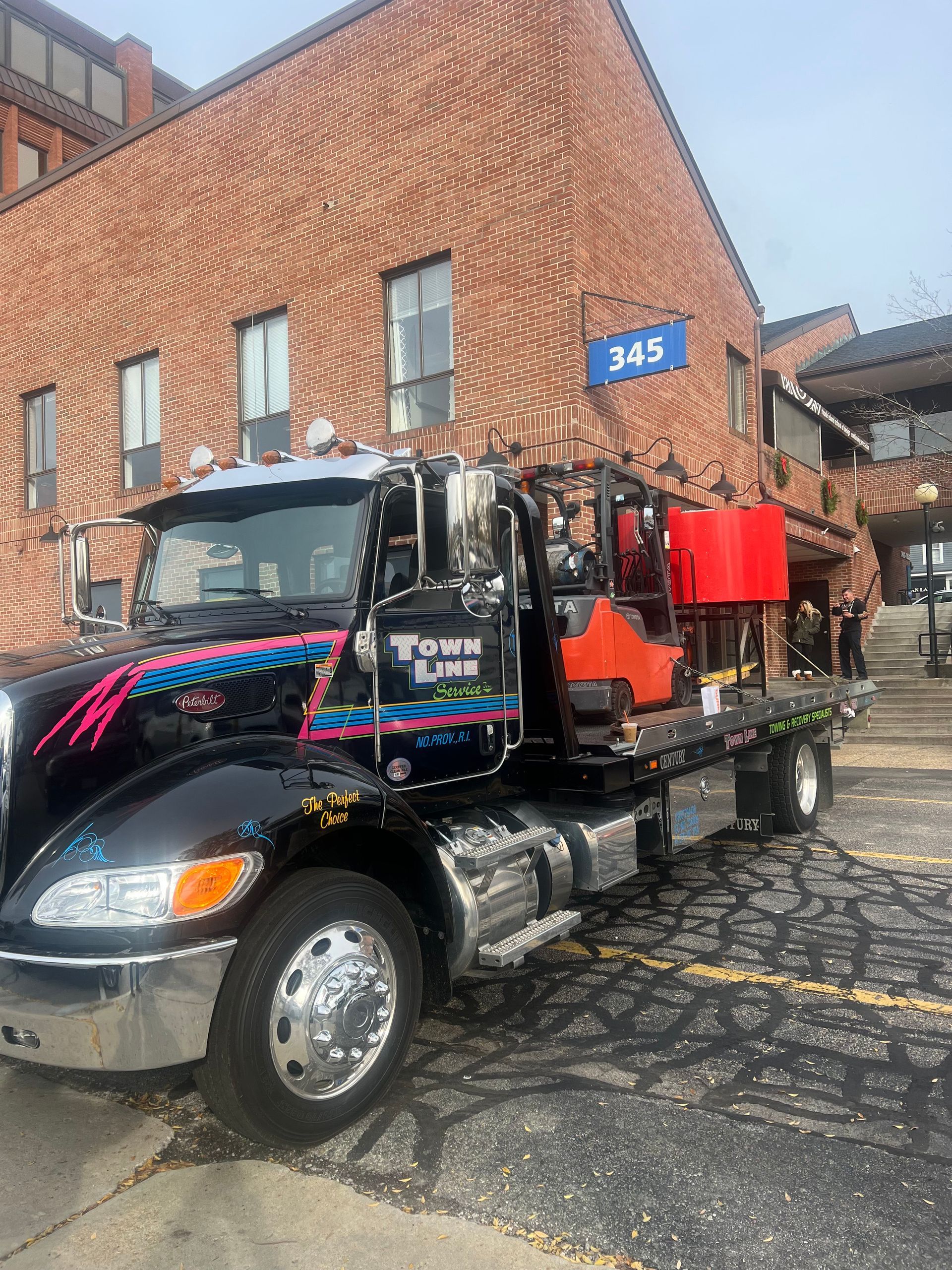
towing service ensures that unexpected vehicular crises are handled with the utmost care, speed, and efficiency. Professional operators possess the advanced training, heavy tools, and diverse fleet necessary to conquer any transport challenge seamlessly. When your automotive journey hits an unexpected roadblock, rely on the proven industry experts. If you need immediate, professional roadside assistance or heavy vehicle recovery, contact Town Line Towing & Recovery to get your day back on track safely.
Share On: